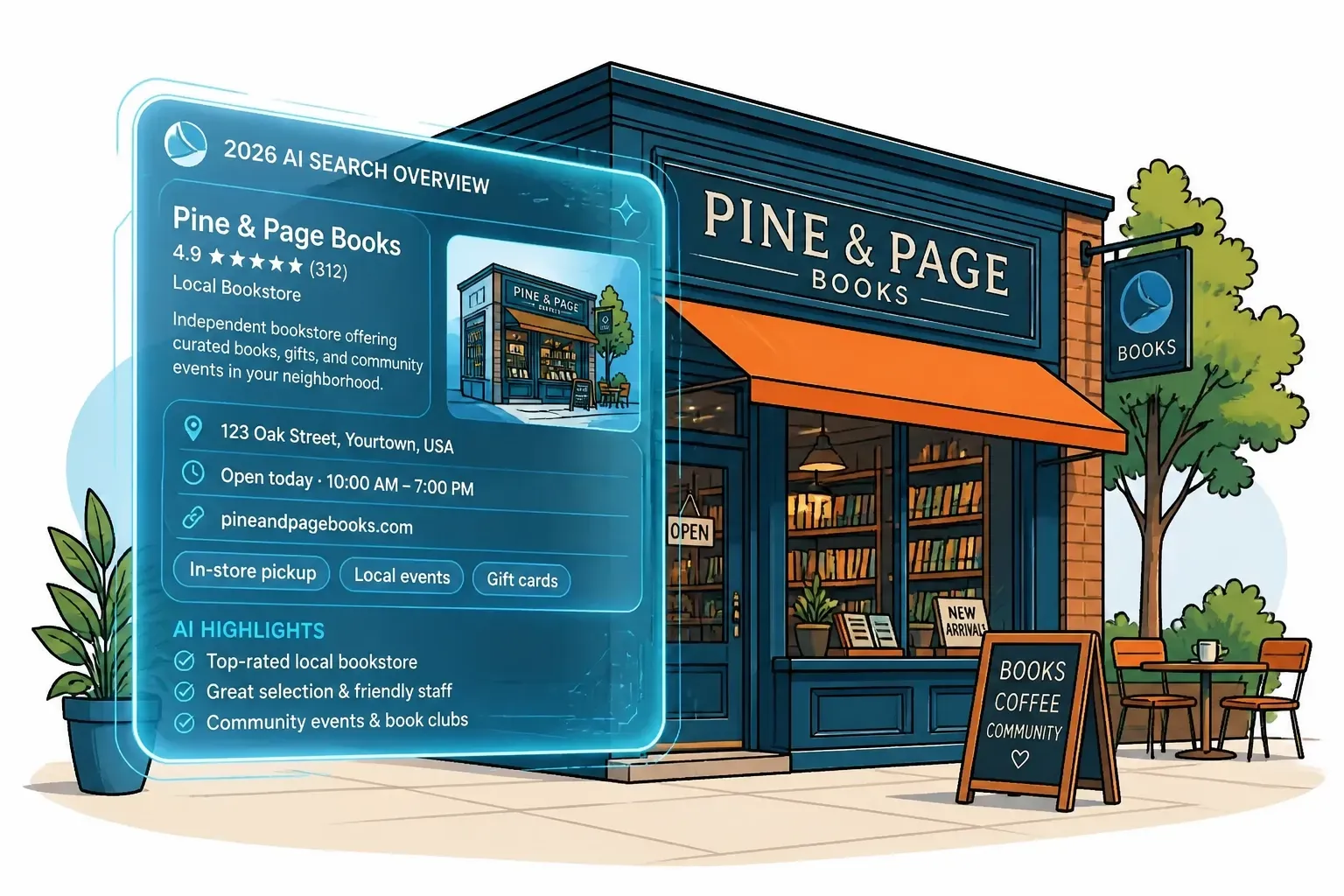
How Real Estate Agents Can Dominate AI Search Results: The Ultimate Guide to AI-First Marketing
The real estate landscape has transformed dramatically in the past year, and if you're not preparing for AI-powered search, you're already behind. While traditional search engines still matter, millions of potential home buyers and sellers are now turning to AI platforms like ChatGPT, Claude, Perplexity, and Gemini for their real estate questions. These AI assistants don't just crawl websites—they understand context, interpret intent, and provide comprehensive answers that could either feature your expertise prominently or leave you completely invisible.
The paradigm shift is profound: instead of optimizing for keywords, you're now optimizing for conversation. Instead of ranking for single queries, you're positioning yourself as the authoritative source AI systems turn to when discussing real estate in your market. This comprehensive guide will show you exactly how to dominate this new frontier of AI-powered search and attract more qualified leads than ever before.
1. Understanding the AI Search Revolution in Real Estate
AI search platforms fundamentally operate differently from traditional search engines like Google. While Google focuses on matching keywords and analyzing link authority, AI systems understand context, synthesize information from multiple sources, and provide conversational responses. When someone asks an AI, "Should I buy a house in Miami right now?" the AI doesn't just return a list of links—it provides a comprehensive analysis drawing from the most authoritative and well-structured content available online.
This shift creates unprecedented opportunities for real estate professionals who understand how to structure their content for AI consumption. Unlike traditional SEO where you might rank on page two and still get some traffic, AI search is binary: either your expertise is featured in the response, or it's not. There's no page two in a ChatGPT conversation. This makes positioning yourself as a trusted authority more critical than ever before.

The most successful real estate agents are already adapting their content strategies to speak directly to AI systems. They're creating comprehensive, authoritative content that answers complete questions rather than targeting isolated keywords. They're building topic authority by covering every aspect of real estate in their market, from neighborhood guides to market trends to buying and selling processes.
Understanding this shift means recognizing that your website isn't just competing with other real estate sites—it's competing to be the definitive source that AI systems trust and recommend. This requires a fundamental rethinking of how you create, structure, and present your content online.
2. Optimizing Your Real Estate Content for AI Discovery
Creating AI-friendly content starts with understanding how these systems process and evaluate information. AI platforms favor content that is comprehensive, well-structured, and provides complete answers to user questions. Instead of writing a 300-word blog post about "buying a home," you need to create exhaustive resources that cover every aspect of the home buying process in your specific market.
The structure of your content matters enormously. AI systems prefer clear hierarchies, logical progression, and explicit connections between ideas. Start each piece of content with a clear overview, break information into digestible sections with descriptive headings, and always provide specific, actionable insights rather than generic advice. For example, instead of saying "the market is competitive," explain exactly what that means: "In downtown Austin, well-priced homes typically receive 3-5 offers within the first weekend, with successful buyers often waiving inspection contingencies and offering 5-10% above asking price."

Depth and breadth of coverage signal authority to AI systems. Create comprehensive neighborhood guides that cover everything from school districts and commute times to local amenities and future development plans. Develop detailed buyer and seller guides that address every question you've ever been asked, no matter how basic or complex. The goal is to become the go-to resource that AI systems consistently reference when discussing real estate in your area.
Context and specificity are crucial for AI optimization. Generic content gets lost in the vast sea of real estate information online. Instead, focus on hyper-local, specific content that demonstrates deep market knowledge. Write about specific streets, developments, and market trends unique to your area. This specificity helps AI systems understand your expertise and makes your content more likely to be featured in responses about your market.
3. Technical Website Optimization for AI Platforms
Your website's technical foundation plays a crucial role in how well AI systems can access and understand your content. Unlike traditional search engine bots, AI systems need to easily parse and comprehend your site's structure and information hierarchy. This means implementing clean, semantic HTML markup that clearly identifies different types of content and their relationships to each other.
Site speed and accessibility aren't just user experience factors—they directly impact AI crawling and analysis. AI systems often have limited time and resources for processing websites, so technical issues that slow down access or make content difficult to parse can effectively render your expertise invisible to these platforms. Ensure your site loads quickly, uses proper heading structures, and provides alternative text for images that accurately describes content rather than just listing keywords.
Structured data markup becomes even more important in the AI era. While search engines use structured data to create rich snippets, AI systems use it to understand the context and type of information on your pages. Implement real estate-specific schema markup for property listings, agent profiles, and service areas. This helps AI systems quickly identify and categorize your expertise, making your content more likely to be referenced in relevant conversations.

The mobile experience is critical for AI optimization because many AI platforms prioritize mobile-friendly content. Ensure your website provides an excellent experience across all devices, with content that's easy to read and navigate on smartphones and tablets. AI systems often evaluate the overall user experience when determining content quality and authority.
4. Creating AI-Optimized Real Estate Content That Converts
The most effective AI-optimized content solves complete problems rather than addressing isolated queries. When creating content, think about the entire journey your ideal client is on and create resources that guide them through each step. For buyers, this might mean a comprehensive guide that starts with determining readiness to buy and continues through closing and beyond. For sellers, create content that addresses everything from market preparation to post-sale considerations.
Storytelling and case studies perform exceptionally well in AI environments because they provide concrete examples that systems can reference when explaining concepts. Instead of just explaining the buying process, share detailed case studies of recent transactions that illustrate different scenarios buyers might encounter. These stories help AI systems provide more nuanced and helpful responses while showcasing your expertise and track record.
Frequently asked questions and comprehensive Q&A sections are gold mines for AI optimization. Create extensive FAQ sections that address every question you've encountered in your career, no matter how basic or complex. Structure these with clear questions and comprehensive answers that could stand alone as complete explanations. This format naturally aligns with how AI systems prefer to consume and present information.
Local market insights and data analysis position you as an authoritative source for your specific area. Regularly publish detailed market analyses that go beyond basic statistics to explain what trends mean for buyers and sellers. Include specific examples, historical context, and forward-looking insights that demonstrate deep market knowledge. This type of content is exactly what AI systems look for when fielding questions about specific real estate markets.
5. Building Authority and Trust Signals for AI Platforms
AI systems evaluate authority through multiple signals that go beyond traditional SEO metrics. Consistency across platforms is crucial—ensure your expertise and perspectives are represented consistently across your website, social media profiles, and any guest content you create. AI systems often cross-reference information from multiple sources, so inconsistencies can undermine your credibility in their analysis.
Professional credentials and certifications should be prominently displayed and explained in context. Don't just list abbreviations—explain what your designations mean and how they benefit clients. This helps AI systems understand your qualifications and makes them more likely to reference your expertise when discussing topics related to your specializations.

Client testimonials and case studies serve as powerful trust signals for AI systems. Create detailed testimonials that tell complete stories rather than just collecting generic praise. Include specific details about challenges overcome, results achieved, and the process you used to help clients succeed. These detailed accounts help AI systems understand your approach and effectiveness while building credibility for your recommendations.
Community involvement and local expertise demonstrations strengthen your position as a local authority. Write about local events, development projects, and community changes that affect real estate values. This ongoing demonstration of local knowledge and involvement helps AI systems identify you as a credible source for information about your specific market area.
6. Leveraging AI Tools to Enhance Your Marketing Strategy
The same AI technology that's changing search can also transform your content creation and marketing processes. Use AI tools to research comprehensive topic coverage, ensuring your content addresses every angle of important subjects. These tools can help identify gaps in your current content and suggest additional topics that would strengthen your authority in specific areas.
AI-powered content optimization tools can help ensure your writing style and structure align with what AI systems prefer. These tools analyze factors like readability, information density, and structural clarity—all important factors for AI consumption. However, always maintain your authentic voice and expertise while using these tools as guides for improvement.
Automated content distribution and social media management can help ensure your expertise reaches multiple platforms where AI systems gather information. Use AI tools to optimize posting times, format content for different platforms, and maintain consistent messaging across all your digital touchpoints. The broader your quality content distribution, the more likely AI systems are to encounter and reference your expertise.
Personalization and lead nurturing can be enhanced through AI tools that help you create more targeted content for different buyer and seller personas. Use these insights to create content that addresses the specific concerns and questions of different market segments, making your expertise more relevant and valuable to a broader audience.
7. Measuring and Monitoring Your AI Search Performance
Tracking your success in AI search requires new metrics beyond traditional SEO measurements. Monitor mentions of your name, business, and content across AI platforms by regularly testing queries related to your market and expertise areas. Keep detailed records of when and how your information appears in AI responses, noting patterns and opportunities for improvement.
Brand mention tracking becomes crucial in the AI era because these systems often reference sources by name when providing information. Set up monitoring for your name, business name, and key pieces of content across various AI platforms. This helps you understand how well your authority-building efforts are working and identify new opportunities for exposure.

Content performance analysis should focus on comprehensiveness and depth rather than just traffic metrics. Track which pieces of content are most frequently referenced by AI systems and analyze what makes them successful. Look for patterns in structure, topics, and presentation that you can apply to future content creation efforts.
Competitive analysis in the AI search landscape means monitoring how AI systems reference your competitors and identifying gaps you can fill. Regularly test queries where you want to be the featured expert and analyze whose content currently appears. This intelligence helps you identify content opportunities and understand what level of authority and comprehensiveness is required to compete effectively.
Conclusion: Your Next Steps to AI Search Dominance
The shift to AI-powered search represents the most significant change in real estate marketing since the advent of the internet itself. The agents who adapt quickly and strategically will gain enormous competitive advantages, while those who wait will find themselves increasingly invisible to potential clients who rely on AI for real estate guidance. The transformation is happening now, and early adopters are already reaping the benefits of increased visibility, authority, and lead generation.
Success in this new landscape requires a fundamental shift from keyword-focused content to authority-building, comprehensive resources that serve as the definitive guide for real estate questions in your market. It means thinking beyond individual blog posts to creating interconnected content ecosystems that demonstrate deep expertise across every aspect of real estate in your area. Most importantly, it means committing to providing genuine value and insights rather than just optimizing for algorithms.
The opportunity ahead is unprecedented for real estate professionals willing to invest in building true digital authority. AI search platforms will continue to evolve and improve, making authoritative, comprehensive content even more valuable over time. By positioning yourself now as the trusted expert AI systems turn to for real estate information in your market, you're not just optimizing for today's technology—you're building a foundation for sustained success in an increasingly AI-driven world where expertise and authority matter more than ever before.
Share